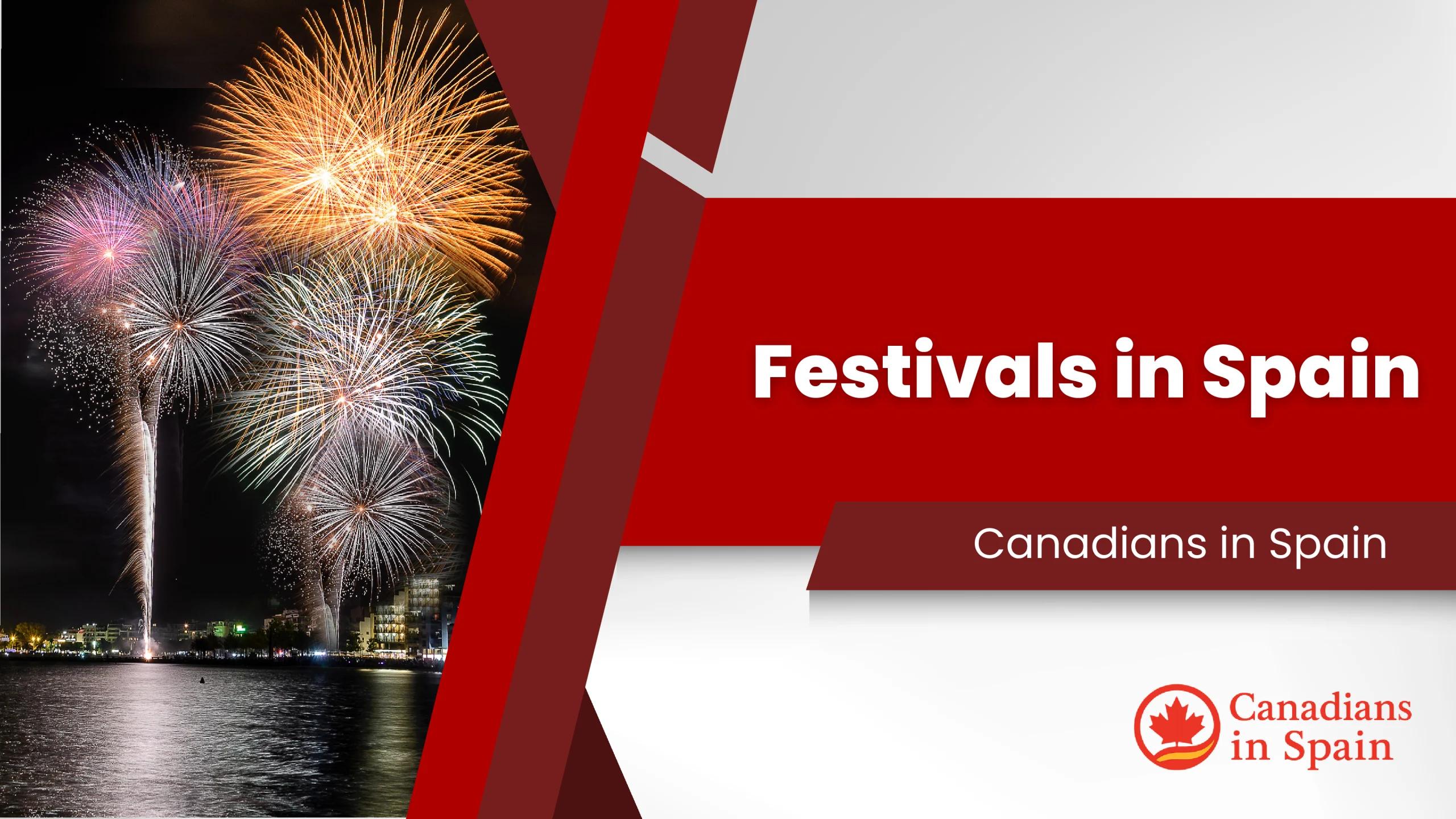
Festivals in Spain: Celebrations Canadians Should Experience
For many Canadians, the idea of a local festival might be a quiet community fair or a Canada Day parade. However, once you move to the Mediterranean, you quickly realize that festivals in spain are on an entirely different level of scale and passion. Whether they are centuries-old religious traditions or cutting-edge modern music events, festivals are the lifeblood of the country’s social calendar. Participating in these festivals is perhaps the fastest way to feel like a local and understand the deep-rooted cultural pride that defines each region.
In 2026, the lineup of festivals is more vibrant than ever, blending traditional folklore with international appeal. For a Canadian expat, navigating festivals in spain can be a sensory overload at first, but it is a necessary rite of passage. These celebrations are not just for tourists; they are moments when the entire community shuts down to celebrate its history. Mastering the etiquette of festivals will help you move from being a mere spectator to a true participant in Spanish life.
Spring: The Season of Fire and Faith
The calendar of festivals in spain truly kicks off in March with the incredible Las Fallas in Valencia. This is one of the most visual festivals, where giant papier-mâché sculptures are displayed across the city before being ceremoniously burned. For a Canadian, the sheer noise of the mascletà (rhythmic firecracker shows) is a shock, but it is a fundamental part of the experience. Among all festivals in spain, Las Fallas is perhaps the one that best demonstrates the country’s love for light, sound, and communal energy.
+1
Following closely is Semana Santa (Holy Week), which represents the more somber side of festivals in spain. Taking place across the country, but most famously in Seville and Málaga, these festivals feature grand processions of religious floats carried through narrow streets. If you are also interested in “spanish food culture” (Link:https://canadiansinspain.com/spanish-food-culture-canadian-guide/), this is the best time to try seasonal treats like torrijas. Understanding the spiritual depth of these festivals provides a profound insight into the Spanish soul.
Summer: Music, Wine, and Non-Stop Parties
As the weather heats up, the focus of festivals in spain shifts toward the coast and the great outdoors. Music lovers are spoiled for choice with world-class events like Primavera Sound in Barcelona and Mad Cool in Madrid. These modern festivals attract global headliners and thousands of international visitors, making them very easy for Canadians to navigate. However, don’t miss the smaller, quirky festivals like the Haro Wine Festival in June, where thousands of people engage in a massive red-wine-throwing battle.
+1
Another must-see among summer festivals is La Tomatina in Buñol. Taking place every August, it is famous as the world’s largest food fight. While it may seem chaotic, it is one of the most organized and fun festivals. For those who prefer a more refined summer experience, the Feria de Málaga offers a week of flamenco, sherry, and dancing in the streets. These summer festivals are the perfect excuse to master your weekend travel in spain skills and explore new provinces.
+1
Cultural Etiquette: How to Participate
To enjoy festivals in spain like a local, you must adjust your expectations regarding time. Most festivals in spain don’t really get started until late in the evening. Showing up early is one of the spanish mistakes that will leave you waiting in empty streets. In festivals in spain, the peak energy usually happens between midnight and 3:00 AM. Patience and a willingness to go with the flow are your best tools when attending any of the major festivals in spain.
It is also important to dress appropriately. Many festivals in spain, such as the Feria de Abril in Seville, involve locals wearing traditional dress. While you don’t necessarily need a flamenco suit, looking “arreglado” (neat and well-dressed) is a sign of respect for the tradition. For official dates and safety guidelines regarding large-scale festivals in spain, you can consult the Official Spanish Tourism Portal, which provides updated calendars for all major events. Being informed will ensure your experience with festivals is safe and enjoyable.
Regional Diversity in Celebrations
One of the most fascinating things about festivals is how much they vary by region. In the Basque Country, you’ll find Aste Nagusia, a celebration of Basque culture with strongman competitions and nightly fireworks. In Catalonia, festivals often feature castellers (human towers), a breathtaking display of community strength and balance. This regional variety ensures that no matter where you live, there are unique festivals in spain right on your doorstep.
+1
Conclusion
The festivals in spain are more than just parties; they are a window into the identity of a nation. For Canadians, who may come from a more reserved culture, the openness and exuberance of festivals in spain can be life-changing. By attending these events, you aren’t just checking off a bucket list; you are building memories and connections that will last a lifetime. So, mark your 2026 calendar, grab your white shirt for the wine battle, and get ready to experience the incomparable magic of festivals in spain.
3️⃣ FAQ – Frequently Asked Questions
1. Are festivals in spain safe for families with children? Most festivals in spain are surprisingly family-friendly. Even late-night celebrations often see children participating with their parents. However, some festivals like the Running of the Bulls (San Fermín) or La Tomatina have age restrictions or are too intense for small children. Always check the specific nature of the festivals you plan to attend before bringing the little ones.
2. Do I need to buy tickets for festivals in spain? Traditional street festivals, like Las Fallas or Semana Santa, are free to attend as they take place in public squares. However, modern music festivals in spain and specific events like La Tomatina require tickets purchased months in advance. Because festivals in spain are so popular, early booking for both tickets and accommodation is essential to avoid inflated prices.
3. Is English widely spoken at these festivals in spain? In large, international festivals like Primavera Sound, English is everywhere. In smaller, traditional village festivals in spain, you will primarily hear Spanish or local dialects. However, the joyful nature of festivals in spain means that communication usually happens through music, food, and gestures, so don’t let a language barrier stop you from enjoying festivals in spain.
4. What is the best way to travel to major festivals in spain? The high-speed train is the best way to reach most festivals held in major cities. For more remote festivals in spain, renting a car is a better option. Keep in mind that during peak festivals, parking can be nearly impossible, so using public transport or park-and-ride schemes is highly recommended for a stress-free experience at festivals.